- 简体中文
- English
- Home
- > Product Display
- > Design of the Upgrading and Renovation Plan for Nanyang Village, Tuwo Township,
Design of the Upgrading and Renovation Plan for Nanyang Village, Tuwo Township,
- 商品
- 详情
产品详情
Design of the Upgrading and Renovation Plan for Nanyang Village, Tuwo Township, Qingshui County
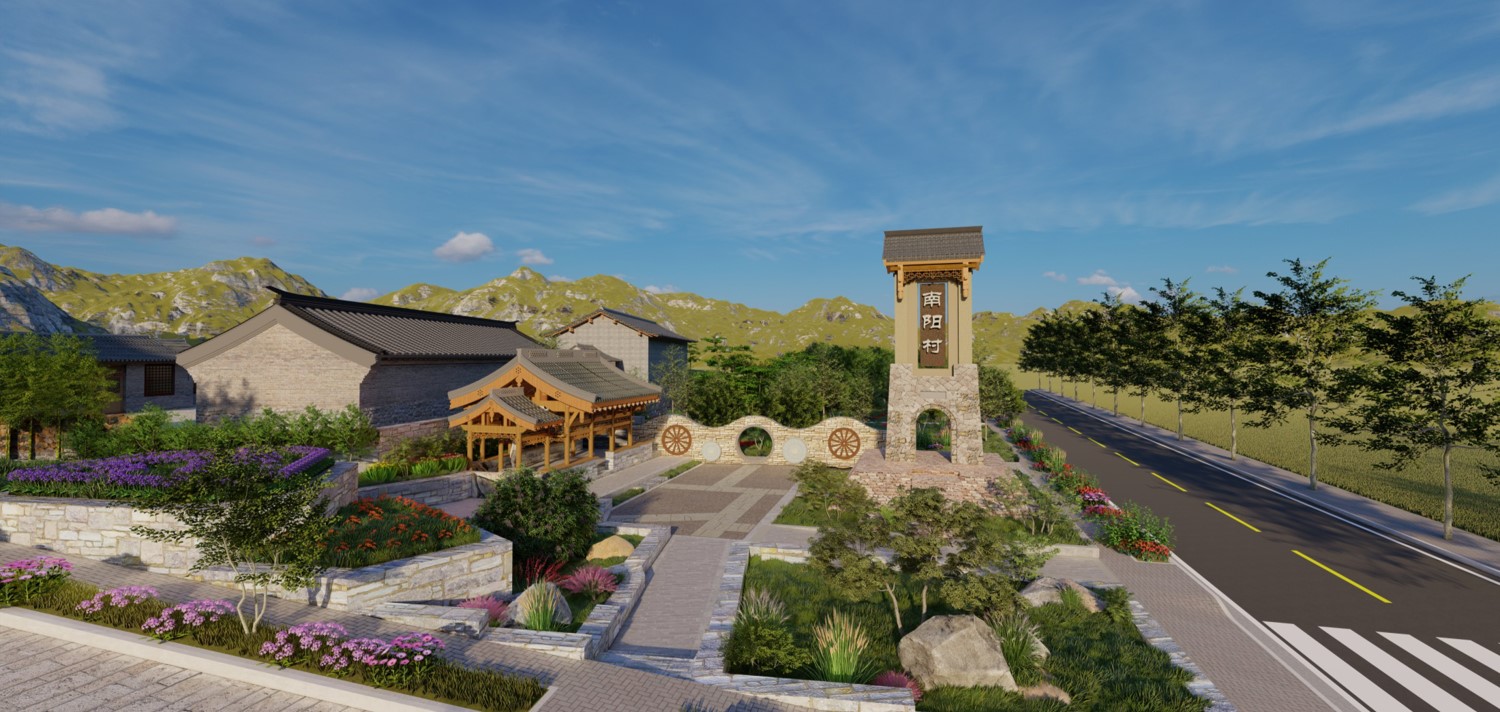
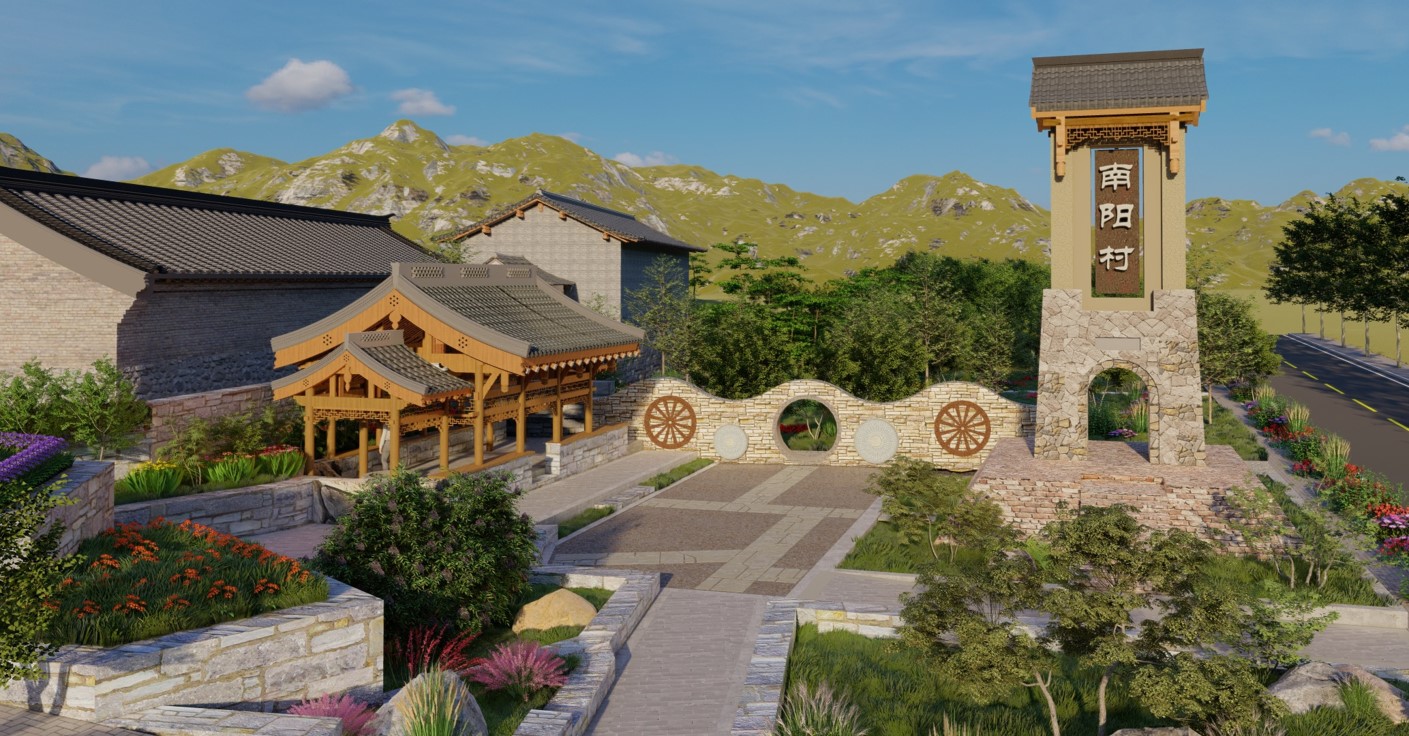
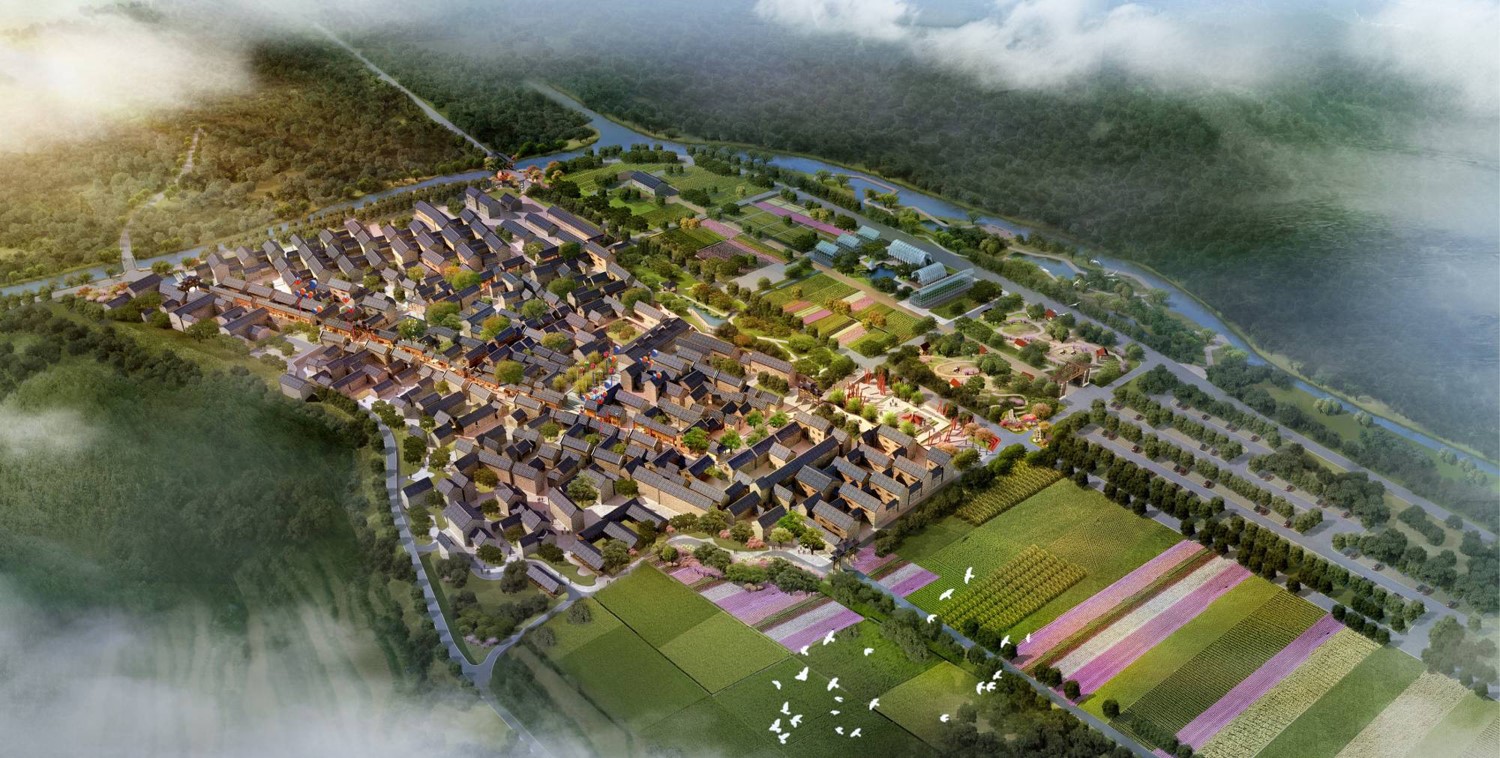
Nanyang Village is located in a gully area sandwiched between two mountains and a valley, surrounded by mountains. The "mountains, water, forests, fields and village" are organically integrated, and it is situated at the entrance of Taixing Honggu National Forest Park. The terrain of the village area is relatively flat, and the surrounding natural environment is quite rich. The northern part of the village is adjacent to the Lishan Scenic Avenue, with a river running through the north of the village and the southern part located at the foot of the mountain.
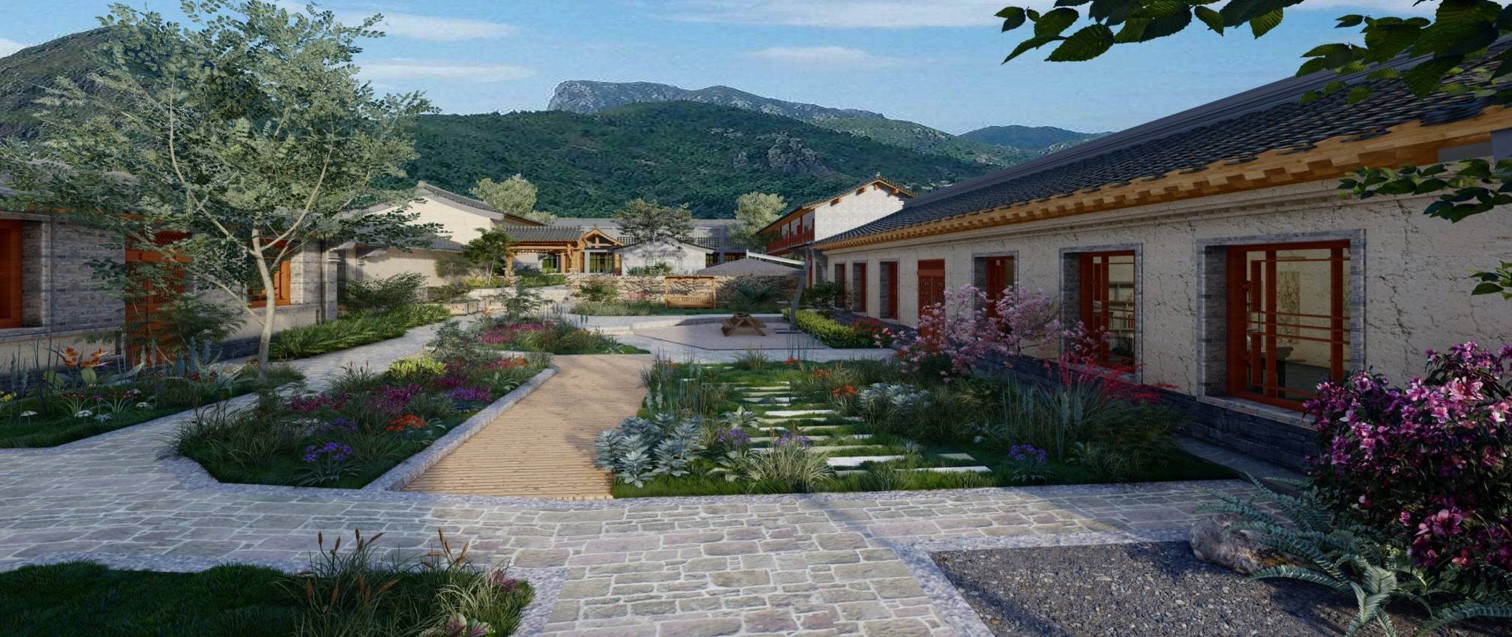
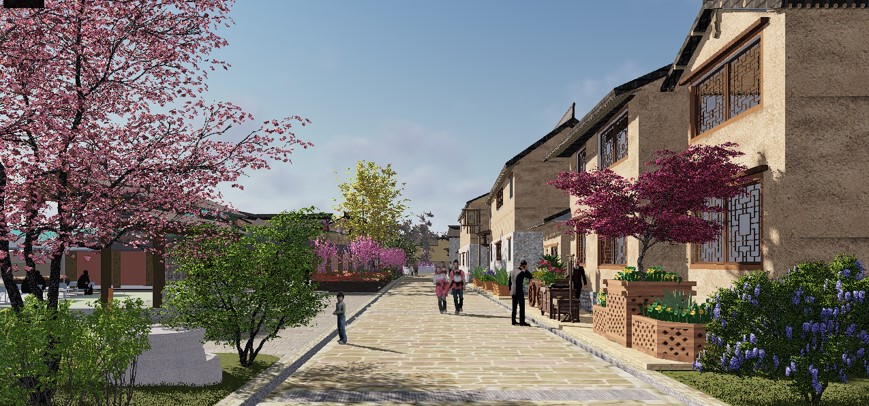
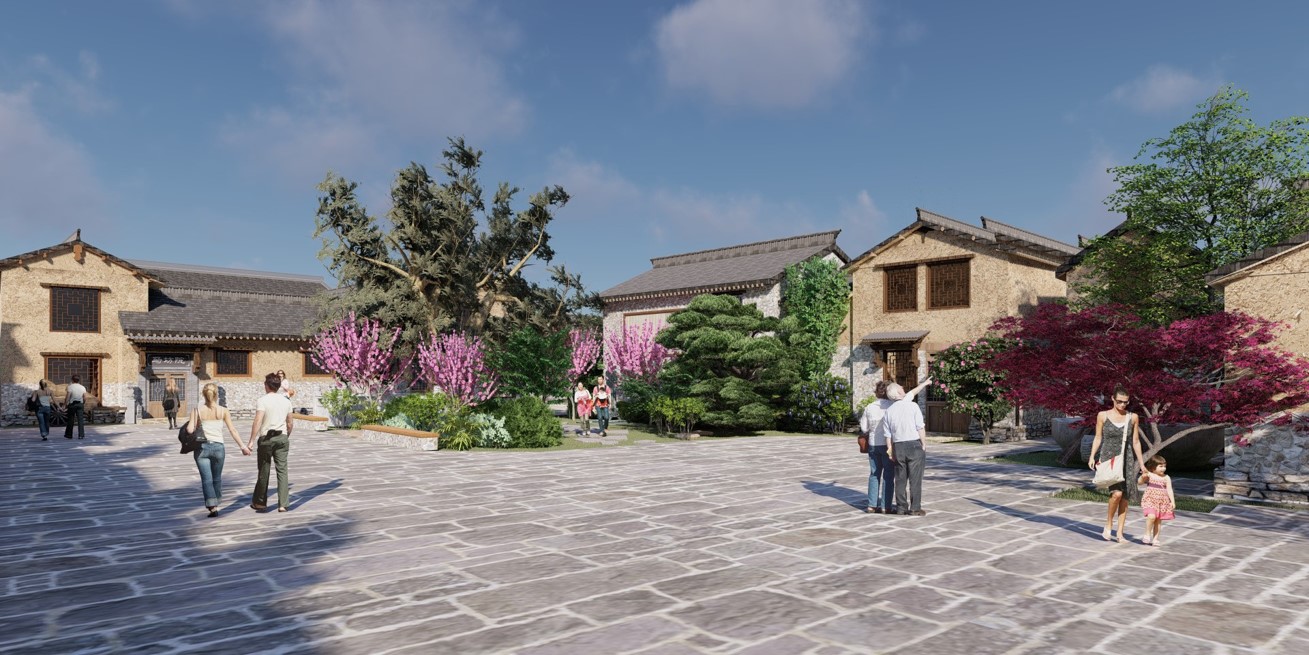
There are still numerous residences, courtyards, ancestral halls, temples, academies, drum towers and flower Bridges in the village, which are still well-preserved to this day. The ancient courtyards such as Shangdao, Zhongdao, Xiadao, Zhai Chang, Xitou Courtyard, Xinfang Courtyard, Fangyuan Courtyard, Qianli Courtyard, Houli Courtyard, Qihuoyuan, Sujia Courtyard and Yangjia Courtyard are simple and elegant, continuing the architectural features of traditional northern residences. The courtyard forms and formats are divided into two types: the four large and eight small courtyards and the dustpan courtyard. On the second floor of the building, a cantilevered external corridor is set up, highlighting the style of southeastern Shanxi and Qinshui. The stone carvings, stone lions, column bases, shop heads and plaques such as "Rui Jie Nan Shan", "Wang Zhai Men" and "Qi Xuan Yuan Ji" on these buildings reveal a strong commercial culture and have high artistic value.
The thousand-year-old locust tree existing at the village entrance has become a spiritual symbol of Nanyang Village, and this place is also an open space for people to chat and gather. The locust tree is 2,500 years old and has been struck by lightning many times, but it still remains vigorous and has witnessed the development and changes of Nanyang Village.