- 简体中文
- English
.jpg)
Planning and Design of Zhuangwang Mountain Cultural Park in Luoyang City
- 商品
- 详情
产品详情
Planning and Design of Zhuangwang Mountain Cultural Park in Luoyang City
Zhuangwang Mountain Cultural Park is located in the central area of Daobei District, Luobei Central Urban Area, Luoyang City. It is bordered by Daobei Fifth Road to the south, Jing Sixth Road to the west, Jing Seventh Road to the east, and a planned road to the north. Luoyang No. 18 Middle School is located on the south side of the base. The planned and designed area is 4.28 hectares (42,803 square meters).
The base is located within the 邙山 mausoleum complex protection area, surrounded by numerous cultural relics protection units, including the Zhou King City Wall Ruins Protection Area, the Upper Qing Palace, the Lower Qing Palace ruins, and the scenic mausoleum. The cultural park has been initially identified as a Han Dynasty tomb, covering an area of 4.28 hectares.
Design objective
① Urban Green Island
Urban regional parks, as an important component of urban green Spaces, not only play a role in beautifying the city, regulating the micro-environment of the city, and improving the air quality of the city, but also affect the quality of life of the surrounding citizens. Surrounded by high-rise buildings, the residents urgently need a green island in the city to get in touch with nature and escape from the concrete jungle.
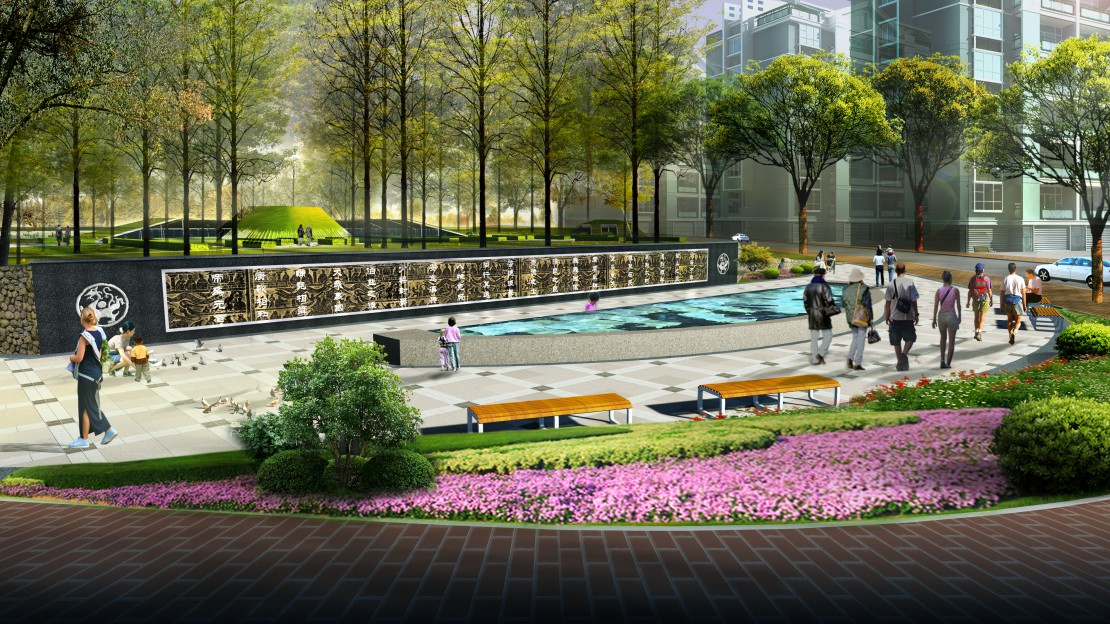
The effect drawing of the cultural square
② Historical Inheritance
Luoyang is a thousand-year-old capital city, rich in cultural heritage and historical atmosphere. Its tomb culture is also extremely profound and extensive. The park is positioned as a historical and cultural park, so in the new planning and design, the inheritance of history should be emphasized.
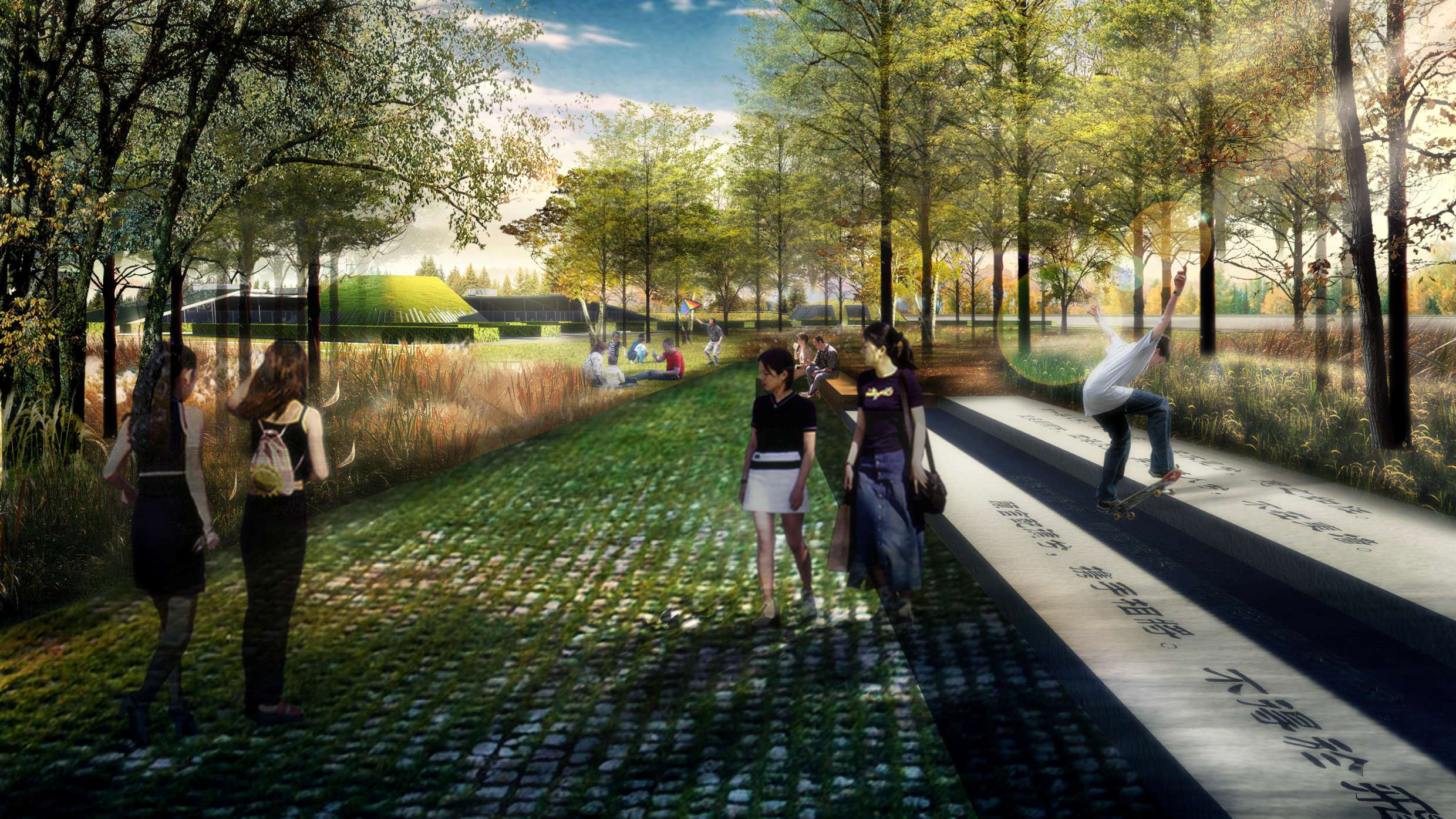 The effect drawing of the cultural performance forest
③ Cultural protection and innovation
For Luoyang, a cultural ancient capital and historical famous city, in today's urban construction, special attention should be paid to the protection and innovation of culture. We should enable the people to understand history, know history and respect history. At the same time, when applying traditional culture to modern design, it is also necessary to handle well the three issues of the application of formal beauty, the transmission of spirit and the integration of culture.
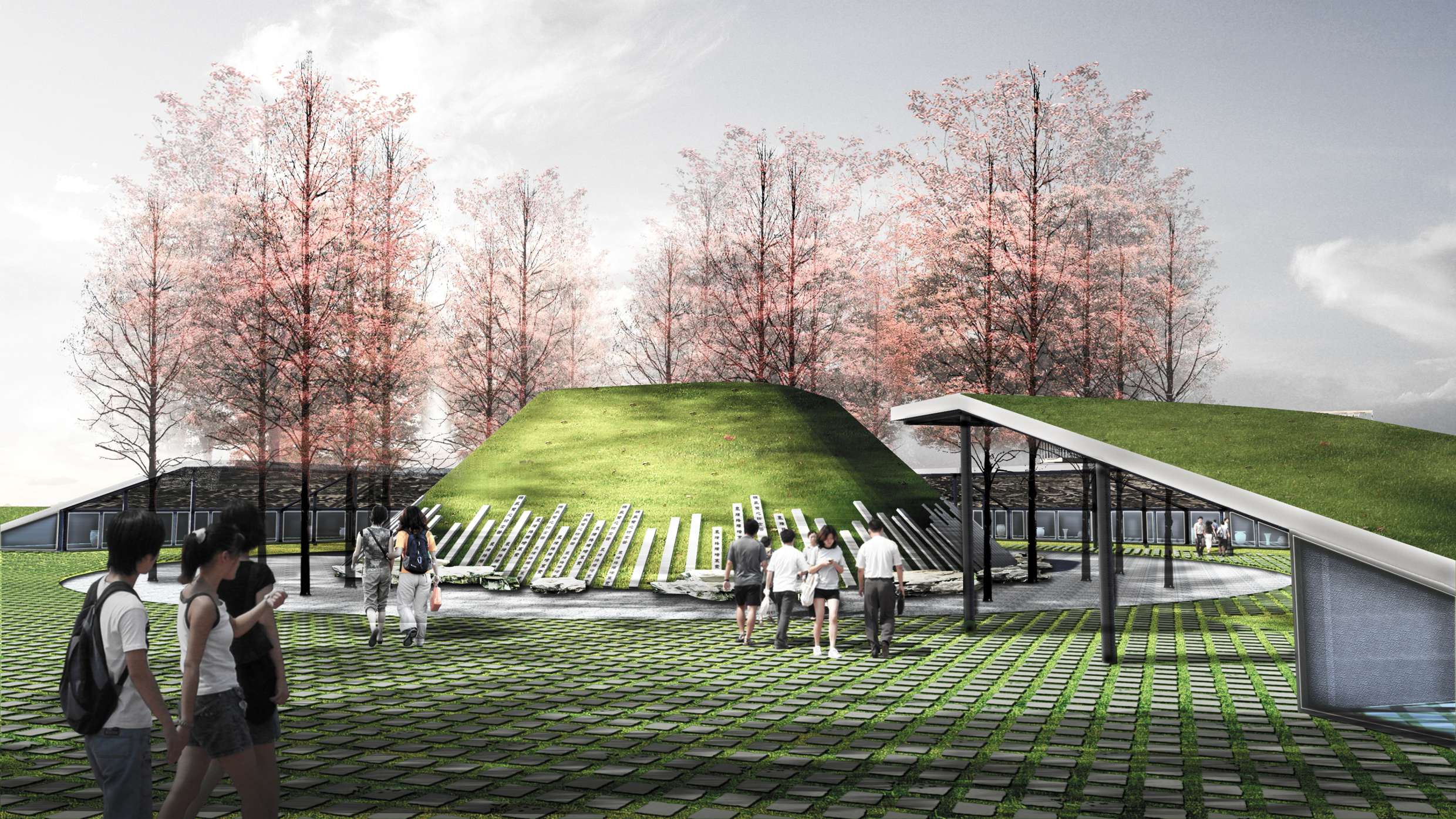
Renderings of the central square
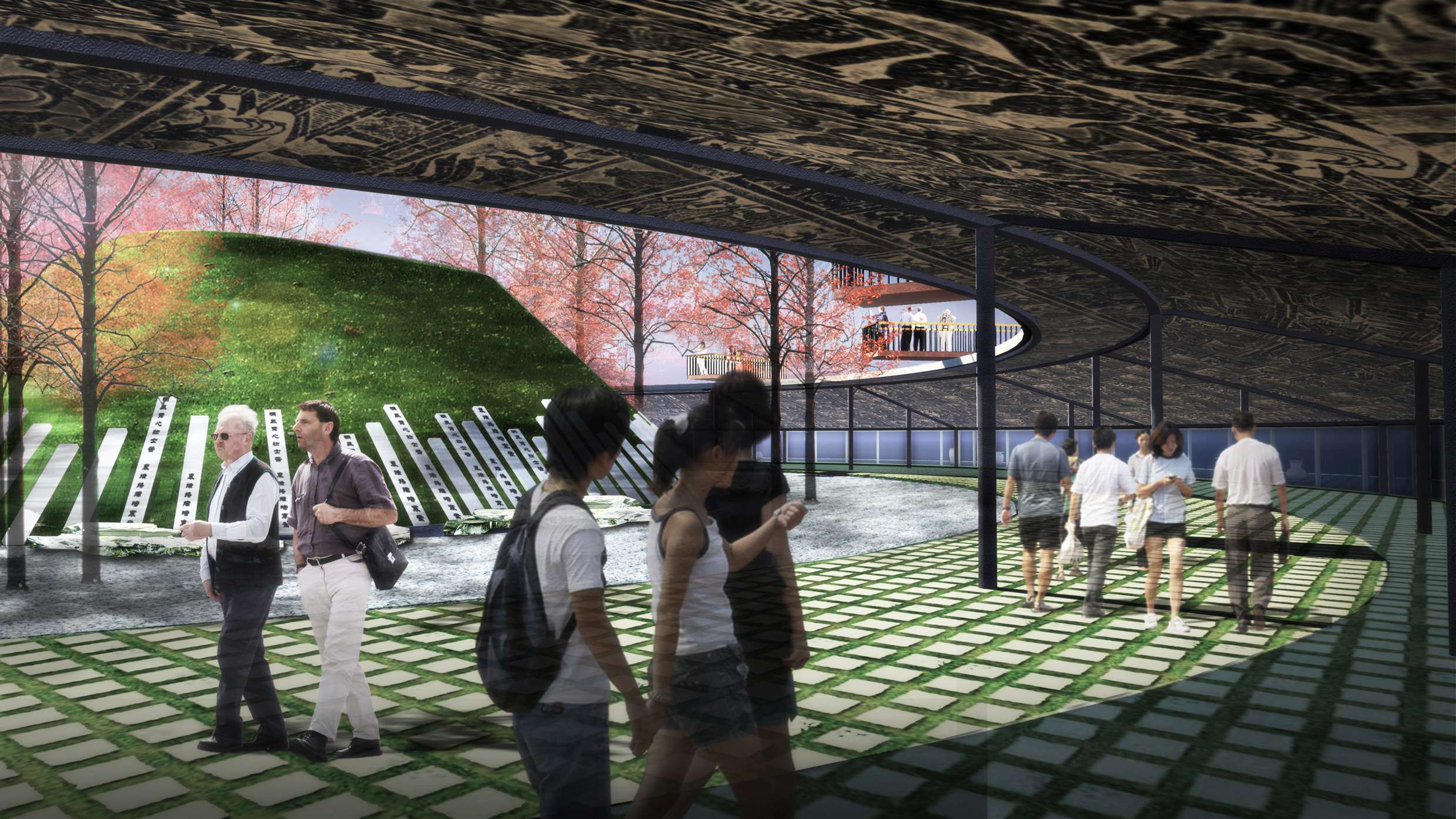
Effect drawing of the cultural exhibition corridor
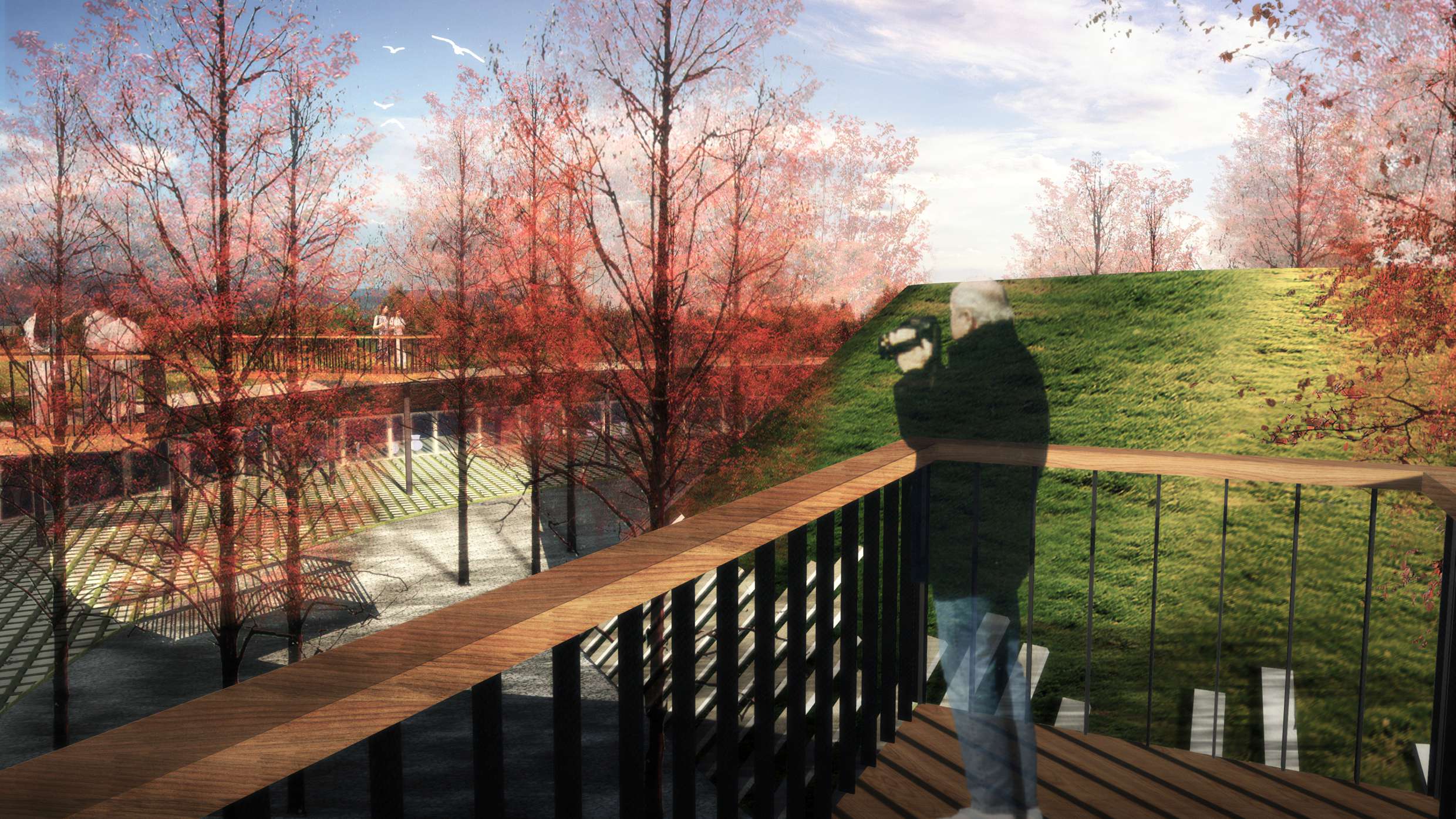
Comprehensive effect drawing of the historical dialogue platform
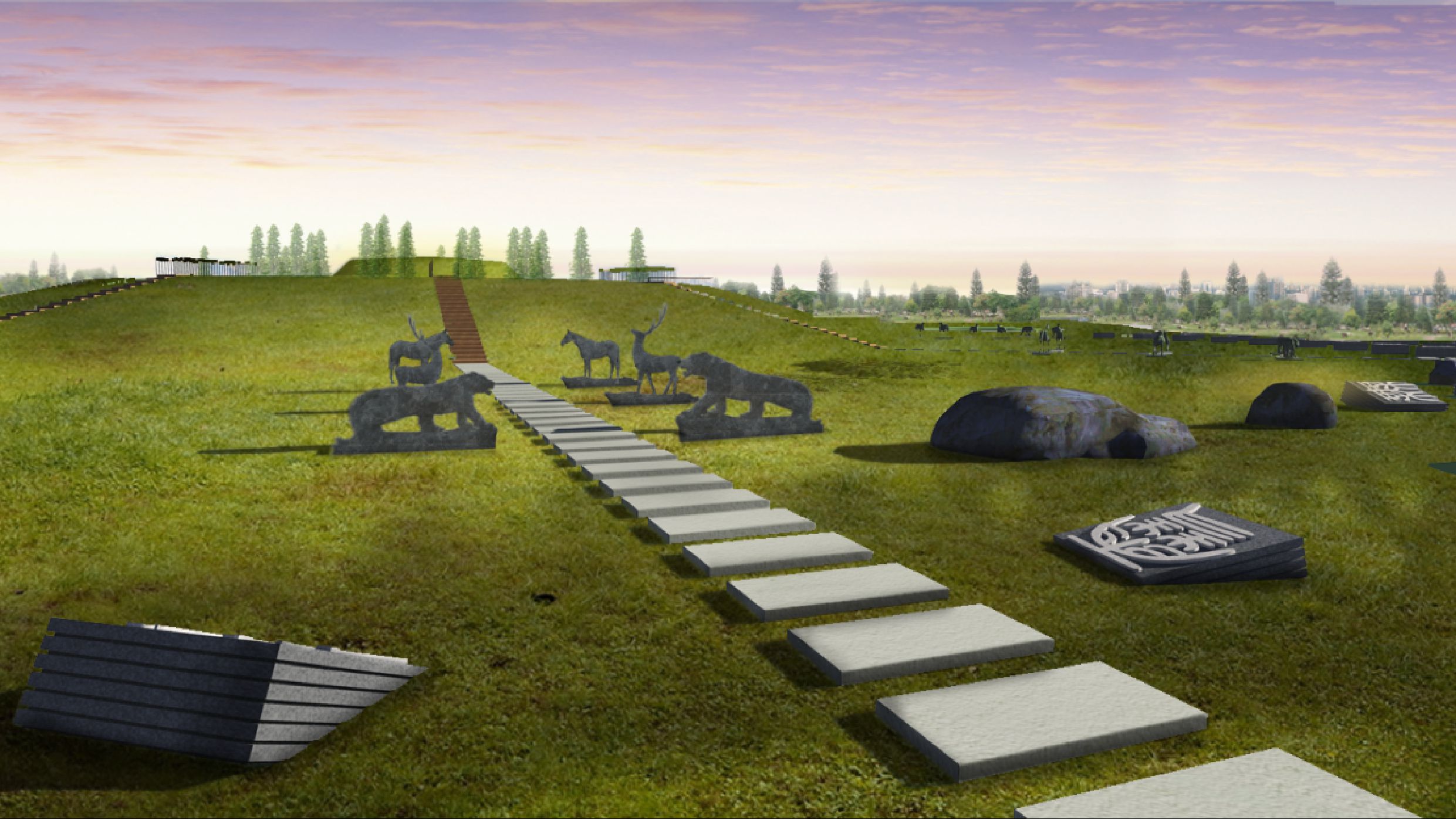
Rendering of the sacred way in the mausoleum